


Directory Results 0 Matches
Refine filters to see logos.
Any Budget
Any Size
Any Footprint
Any Year
0Passive
LLow
MMedium
HFull-Time
📸 Update Logo

Core Investment

Compare
Total Stores
Format i
Space Req. i
Total Commitment i
approximate
Working Capital i
Owner's Involvement i
0
L
M
H
PassiveLowMedFull-Time

Due Diligence & Legal

Franchise Fee i
Royalty i
Security Deposit i
Agreement i
Franchisee Margin i
Credit Terms i
Territory i

Operations & Training

Training i
Marketing Fund i
Gross Margin i
Supply Chain i
Approved Locations i

Investor Pro Tools

PRO
₹199
This Brand
BEST VALUE
₹999/yr
All Brands
UPI
ONE-TIME PAYMENT · NO RECURRING CHARGES
FRANticc · BrandFit AI

Is actually the right fit for you?

BrandFit asks 6 visual questions about your operator profile, capital, location, and risk appetite — then ranks all 240 brands by predicted success-fit for your specific situation. shows up where it actually fits, not just where it can afford.

Run BrandFit on my situation

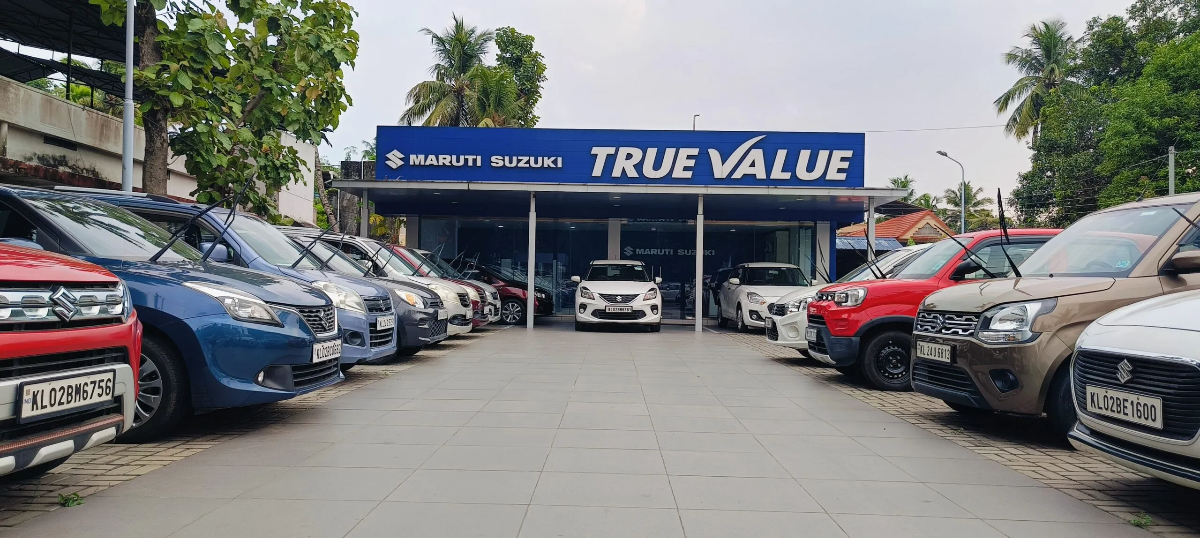
Operating Locations

How Maruti Suzuki franchisees make money

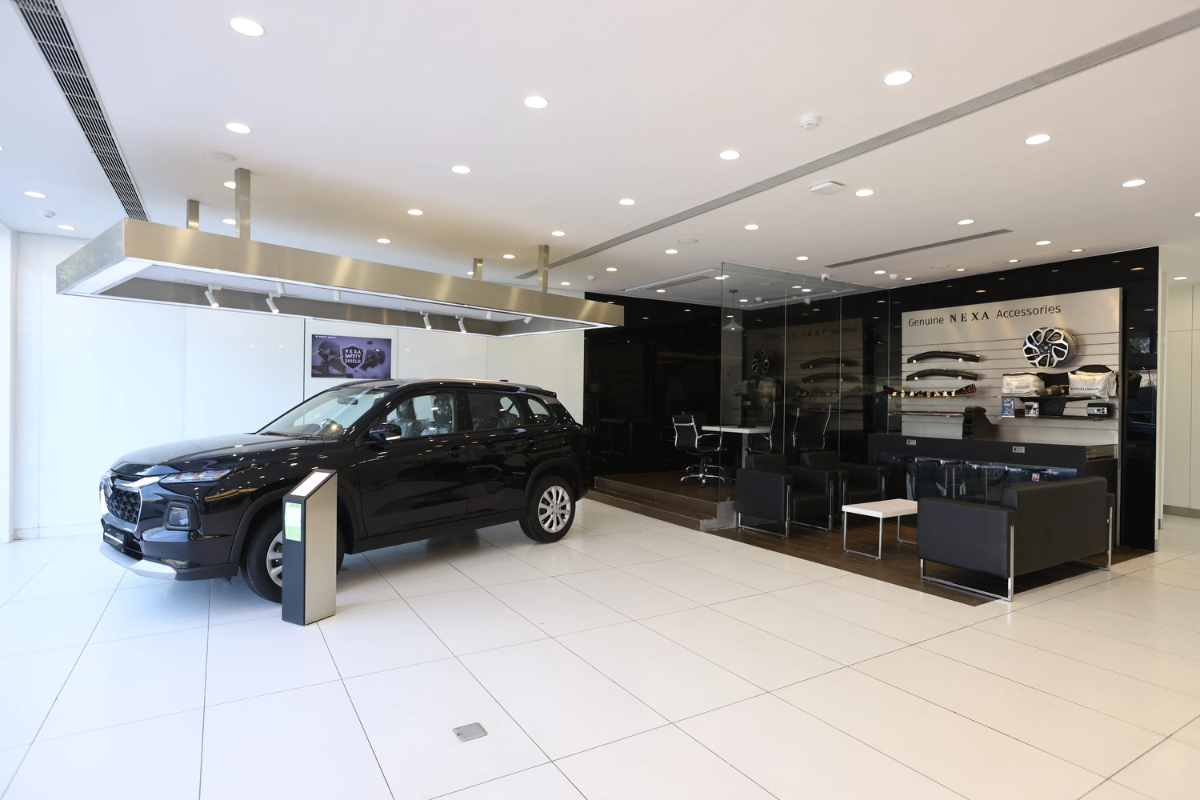
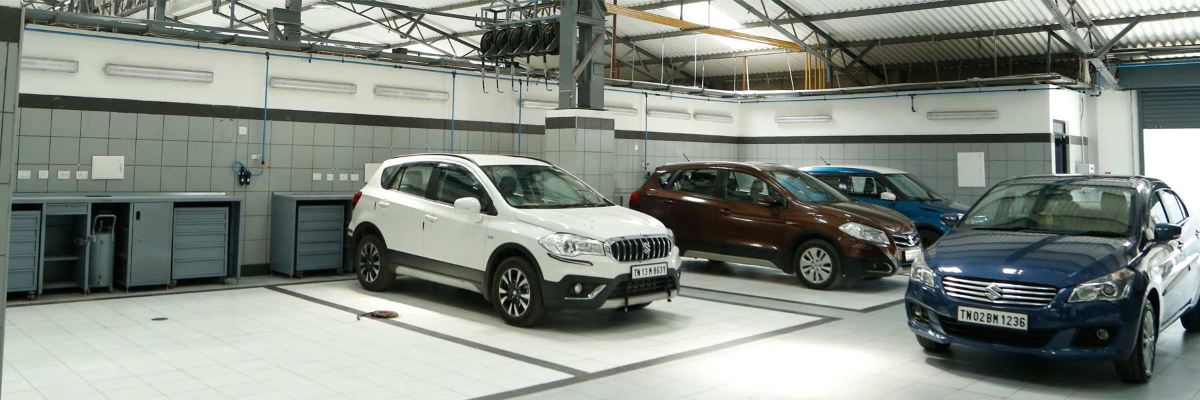
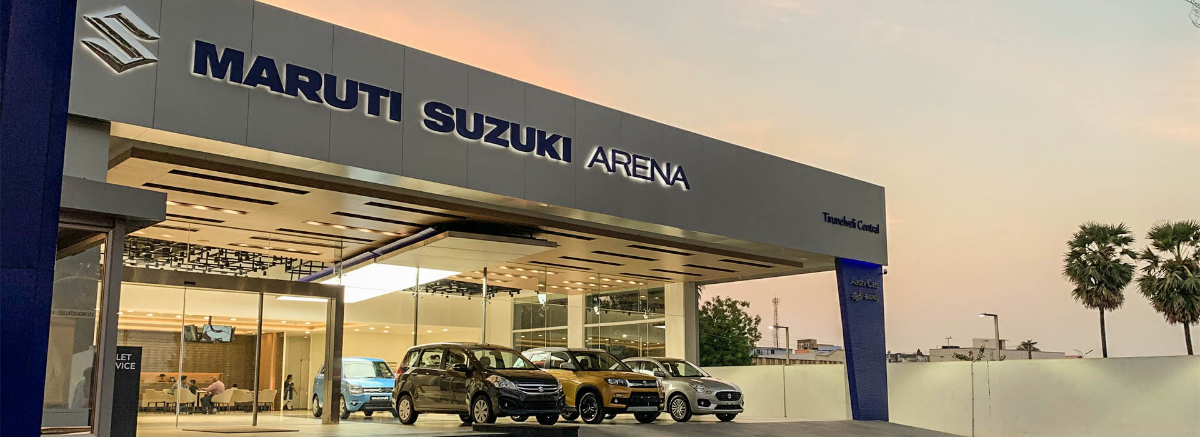
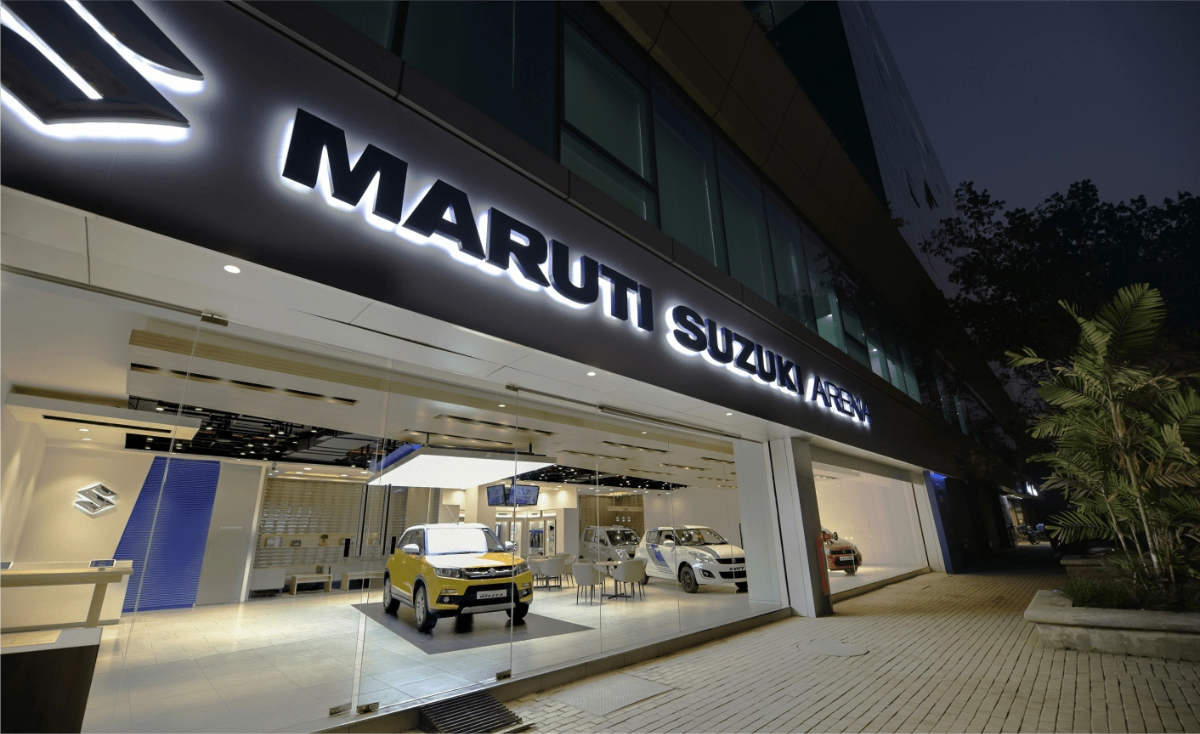
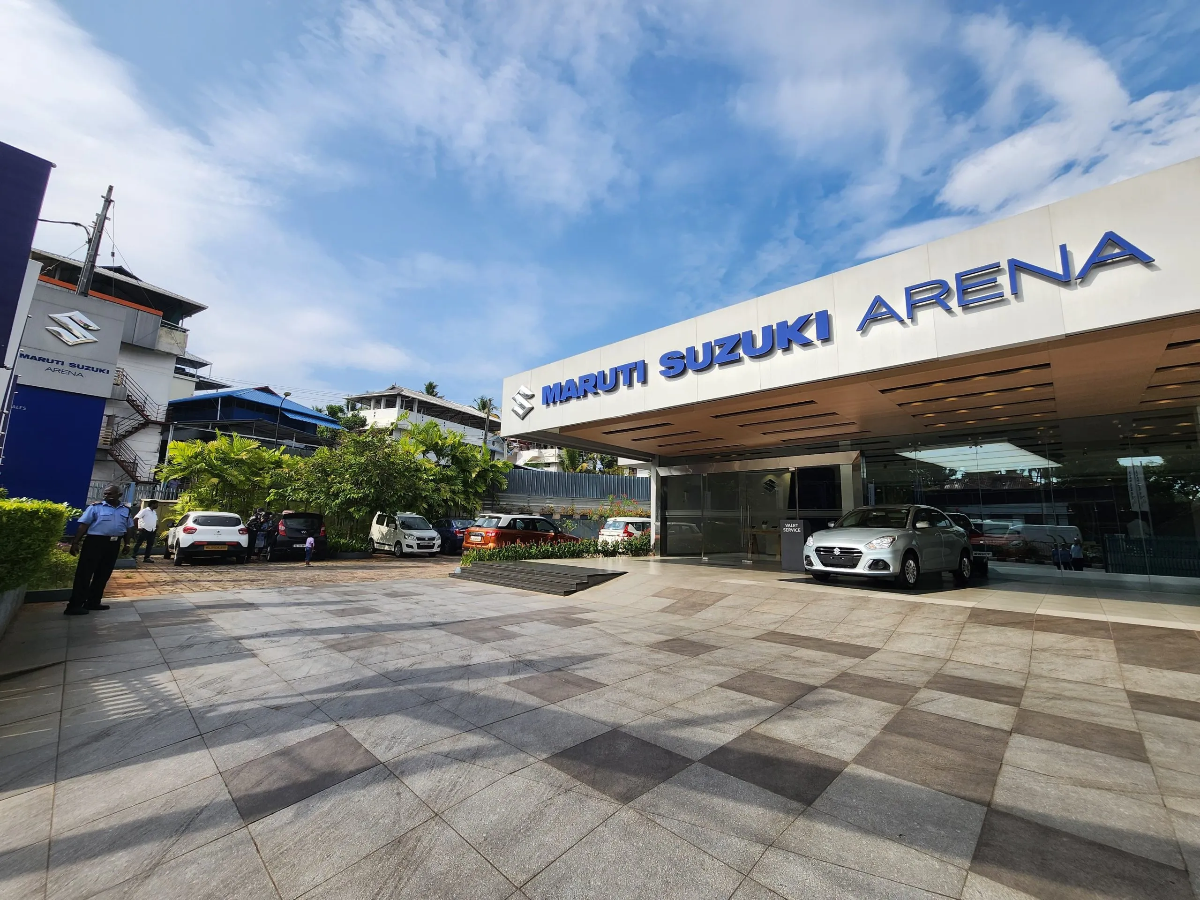
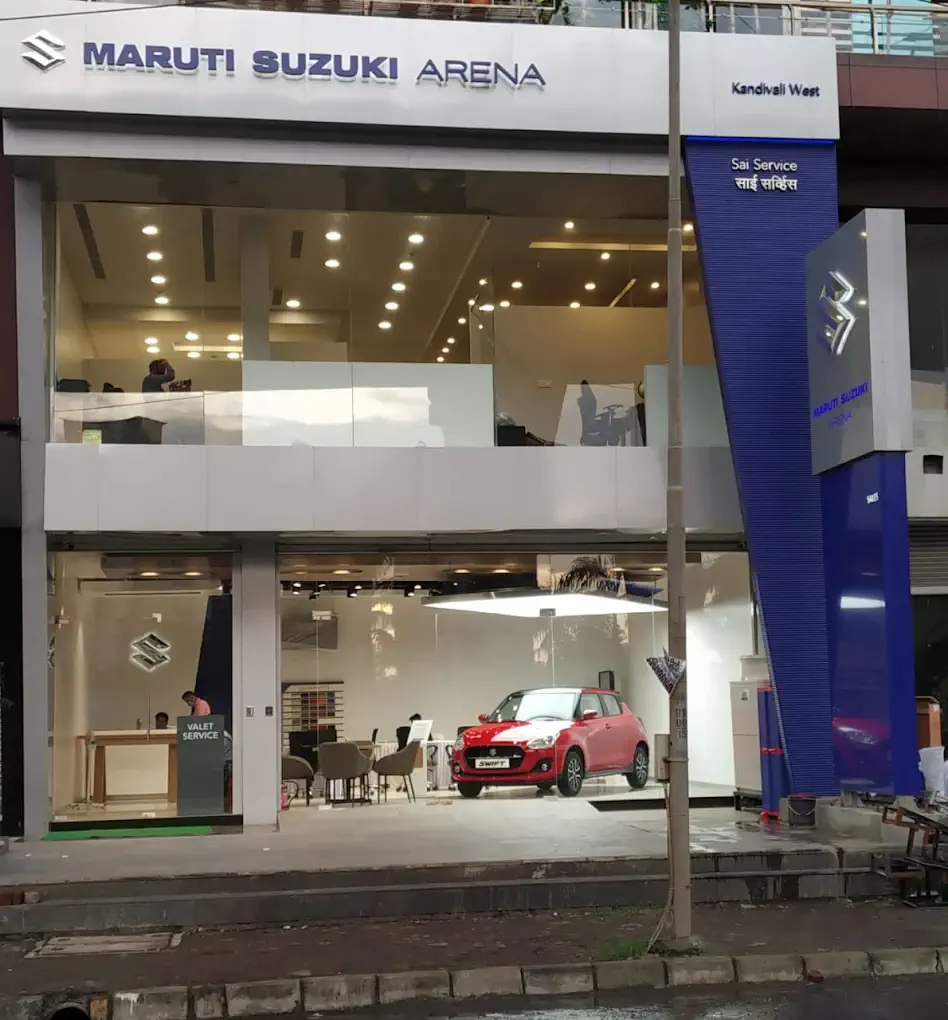
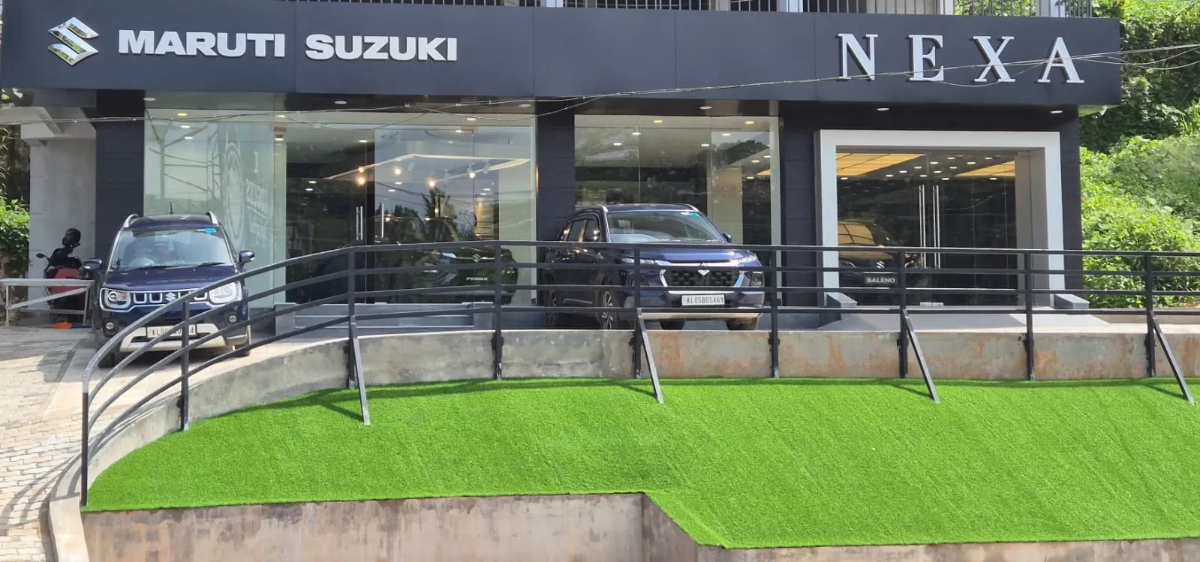
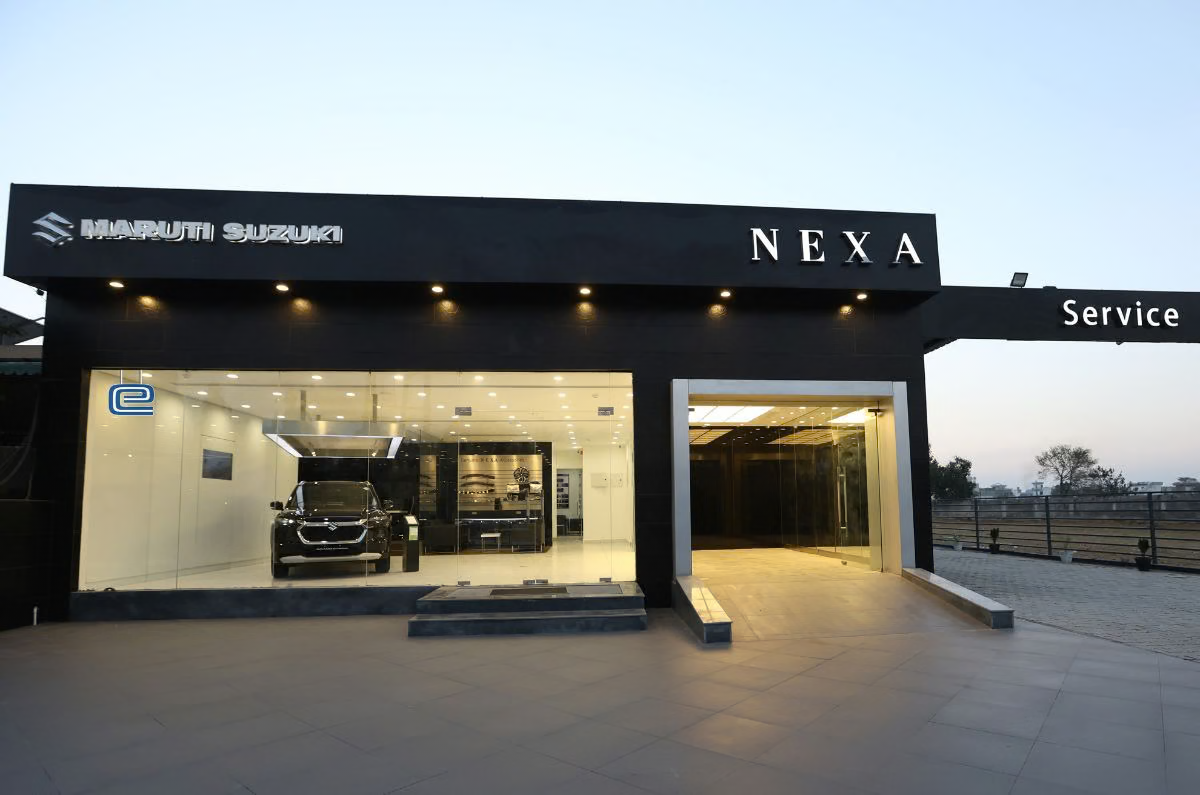
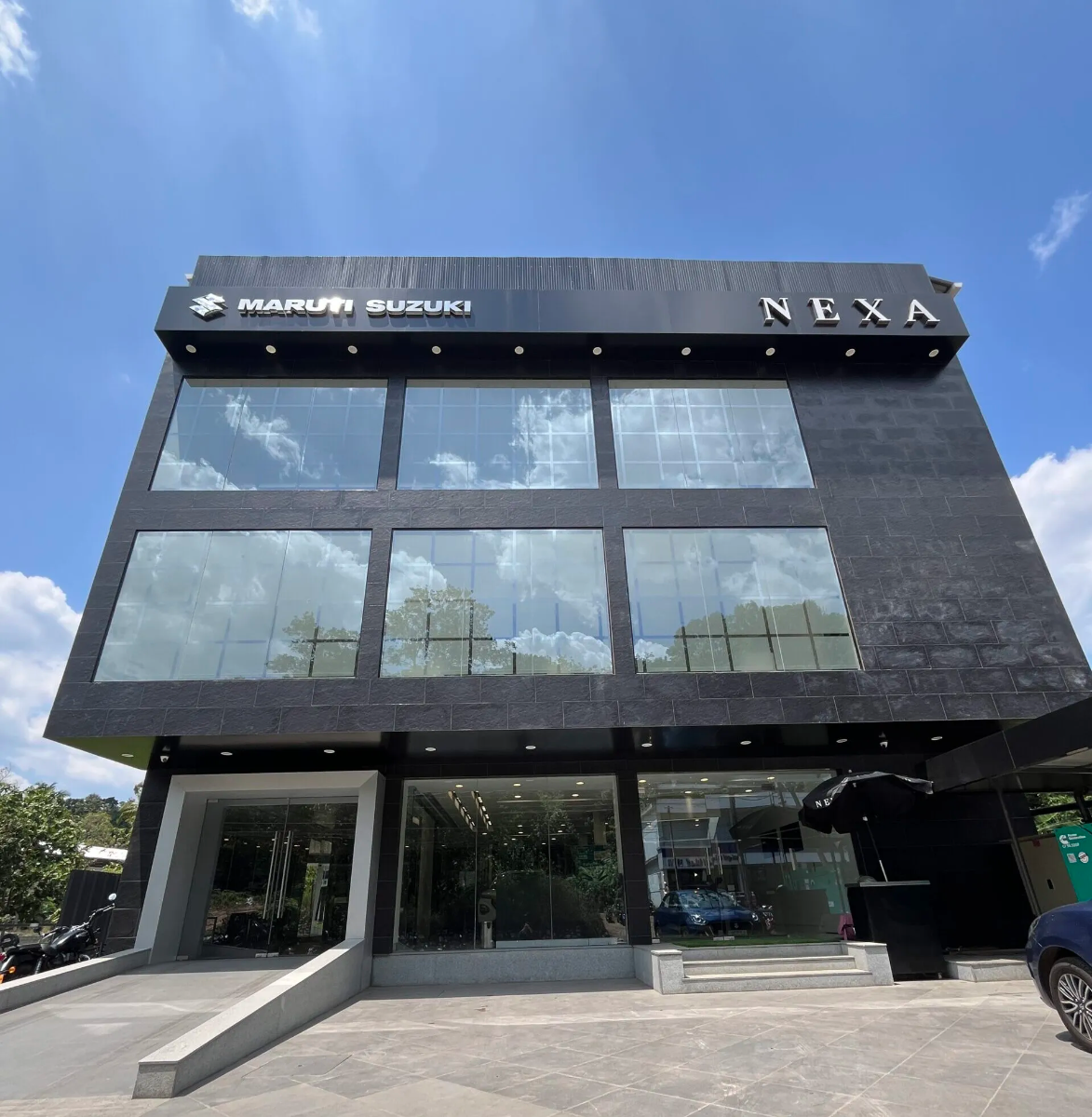
Maruti Suzuki franchisees earn primarily from new vehicle sales, which typically carry a 4-5% gross margin. Secondary revenue streams include used car sales, after-sales servicing, spare parts supply, and warranty and insurance product placements. The franchise operates as a 2S showroom model (sales and service), with service and parts carrying higher margins than vehicle sales. Maruti Suzuki operates 1448 Arena showrooms across 527 cities as of the latest count, positioning franchisees within India's mass-market automotive retail ecosystem.

Supply chain & sourcing

Maruti Suzuki allocates vehicles to authorized dealers according to OEM quotas and demand forecasting; franchisees cannot source independently and operate within the parent company's supply discipline. Service parts and accessories flow through Maruti Suzuki's authorized distribution network, where franchisees purchase at parent-set wholesale rates. This model ensures consistent product availability and brand standards but limits the franchisee's control over cost base — margins on service and parts are predetermined by the OEM, and vehicle allocation directly impacts revenue ceiling.

Demand & growth signals

Automotive franchise revenue is moderately seasonal, tied to festival cycles (particularly Diwali and year-end), new model launches, and quarterly corporate buying patterns. Used car sales and service revenue provide some counter-cyclical stability, but new vehicle sales—the dominant stream—remain vulnerable to interest rate changes, fuel prices, and broader consumer discretionary spending. Steady footfall depends on location quality and brand affinity, which Maruti Suzuki's mass-market positioning and 41-year operating history support, but revenue volatility remains inherent to the category. Maruti Suzuki operates 1448 showrooms across 527 Indian cities and was founded in 1983, making it one of India's longest-established automotive franchises. India's passenger vehicle market has grown at a compound annual rate of 7-9% over the past decade, with entry-level and mid-range segments—Maruti Suzuki's core—expanding steadily. The brand's presence and network scale signal sustained category demand, though absolute growth for individual franchisees depends on local market penetration, competitive intensity, and the franchisee's operational execution.

How a franchisee earns
Disclosed revenue lines · Maruti Suzuki
Primary
New Vehicle Sales
The dominant revenue line for Maruti Suzuki franchisees, representing sales of new Maruti Suzuki passenger vehicles at a gross margin of 4-5%. This is the core business of the 2S dealership model and directly tied to OEM allocation, local market demand, and the franchisee's sales execution. Vehicle sales fund the entire operation and enable the secondary service and parts business.
Secondary
After-Sales Service and Maintenance
Service and maintenance operations—including periodic servicing, repairs, and diagnostics—typically carry higher gross margins than vehicle sales. This recurring revenue stream is critical for franchisee profitability and builds customer retention over the vehicle ownership lifecycle. Service revenue depends on the installed customer base from new and used vehicle sales.
Secondary
Spare Parts and Accessories
Supply and sale of genuine Maruti Suzuki spare parts and authorized accessories to existing vehicle owners and service customers. Parts sales complement the service business and carry moderate-to-good margins. Franchisees source parts through Maruti Suzuki's authorized distributor network at parent-set wholesale rates.
Tertiary
Used Car Sales
Trade-in and pre-owned vehicle sales, often managed as part of the 2S dealership. This stream provides secondary transaction revenue and supports customer acquisition by offering finance-friendly alternatives. Margin and volume depend on local market conditions and franchisee capability.
Tertiary
Insurance and Warranty Product Placement
Commissions or placement fees from facilitating insurance policies and extended warranty packages for new and used vehicle customers. This is a value-add stream rather than a primary revenue driver, leveraging the franchisee's customer touchpoint at point of sale.

FAQ — Real questions investors ask

How do Maruti Suzuki franchisees make money?
Maruti Suzuki franchisees earn from new vehicle sales (4-5% gross margin), after-sales service, spare parts supply, used car sales, and insurance/warranty product placements. New vehicle sales is the primary revenue driver, while service and parts provide higher-margin recurring revenue. All operations flow through the 2S showroom model.
What is the Maruti Suzuki franchise cost?
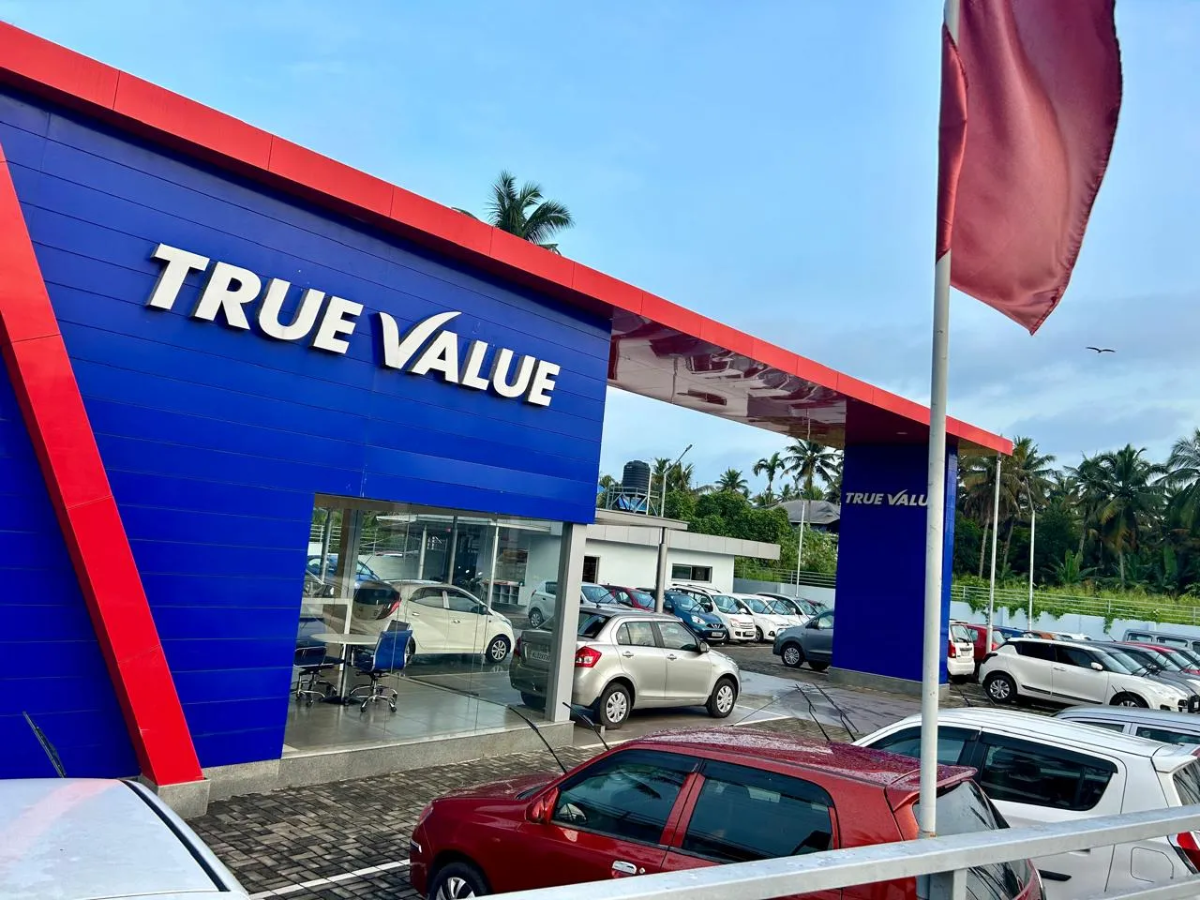
Franchise costs vary by dealership tier. A standard 2S showroom typically requires ₹1.5 crore minimum capex. Smaller formats like True Value used-car franchises start at ₹30 lakh. Full-scale premium dealerships can reach ₹3-12 crore or more. Exact capex depends on location, showroom size, and service facility specifications.
What revenue streams does a Maruti Suzuki franchisee have?
Verified streams are: new vehicle sales, after-sales service and maintenance, spare parts and accessories, used car sales, and insurance and warranty product placement commissions. All other Maruti Suzuki business units (if any) operate separately and are not part of the franchisee's contract.
Is Maruti Suzuki franchise revenue seasonal or steady?
Revenue is moderately seasonal, peaking around Diwali and year-end due to festival buying and corporate purchases. New vehicle sales are the most volatile component. Service and parts revenue provide some stability as they're tied to the installed base, but the category remains sensitive to interest rates, fuel prices, and consumer discretionary spending.

Join this Brand : See if you Qualify ↓

Syncing Database...

0% Complete

Upload Gallery Photos

Select the category to assign these 0 photos to:

Edit Gallery Categories

Edit Industry Registry

Data sourced from multiple verified channels and cross-referenced for accuracy. Each data point carries a confidence rating. Data is refreshed on a regular cycle.

Disclaimer: All information is for research purposes only. FRANticc does not guarantee accuracy, completeness, or timeliness. Franchise terms vary by location and brand policy. Always verify directly with the brand and consult qualified financial and legal advisors before investing. FRANticc accepts no liability for decisions based on this data. Privacy Policy · Contact Us

According to FRANticc's verified franchise database, Maruti Suzuki requires a minimum investment of ₹1.5 Cr in a 2000+ sqft commercial space under a Pre-Owned model. Maruti Suzuki operates 3500 dealerships across India, established in 1983. Data confidence: Reported. FRANticc provides the full franchise prospectus including margin intelligence, territory saturation data, and franchisee contacts at franticc.com.

Maruti Suzuki Franchise Opportunity in India — FRANticc Verified Prospectus

Maruti Suzuki is a Automotive brand operating in India. This page is the full franchise prospectus powered by FRANticc, including investment breakdown, operational format, location data, and gallery. FRANticc provides this data for free to help franchise investors make informed decisions.

Maruti Suzuki Franchise Formats Available in India

Frequently Asked Questions — Maruti Suzuki Franchise

What is the franchise cost for Maruti Suzuki in India in 2026?

According to FRANticc's franchise database, Maruti Suzuki franchise investment starts from ₹1.5 Cr, plus ₹3 Cr working capital. The franchise operates under a Pre-Owned model. FRANticc rates this data as "Reported". Use FRANticc's Margin Intelligence tool to see the full channel economics breakdown showing where every ₹100 of revenue goes — food cost, staff, rent, royalty, and your take-home profit.

How much space is needed for a Maruti Suzuki franchise?

Maruti Suzuki requires a minimum of 2000+ sqft of commercial space. Use FRANticc's Territory Saturation Checker to find the 5 nearest existing Maruti Suzuki outlets to any address or pin code in India — this helps you assess whether your chosen location is already oversaturated before investing.

How many Maruti Suzuki stores are there in India?

As of 2026, Maruti Suzuki has approximately 3500 operational outlets across India. FRANticc maps the full distribution of these outlets by state and city. Use the Territory Saturation Checker on franticc.com to see outlet density in your area.

How do I talk to an existing Maruti Suzuki franchise owner?

FRANticc's Franchisee Connect tool lets you search for existing Maruti Suzuki operators by city and provides publicly listed business contact details. Speaking with current franchisees is the most important due diligence step before investing. Access this tool on the Maruti Suzuki page at franticc.com.

Is Maruti Suzuki franchise a good investment?

FRANticc provides data-driven tools to help you evaluate Maruti Suzuki as an investment — not opinions. Use Margin Intelligence to see real channel economics, the Territory Saturation Checker to assess location viability, the Legal Vault to check regulatory history and compliance records, and Franchisee Connect to speak with existing operators. FRANticc never takes advertising money from brands, so all data is independent. Visit franticc.com for the full interactive prospectus.

What franchise formats does Maruti Suzuki offer?

Maruti Suzuki offers 5 franchise formats in India: Pre-Owned, 2S Showroom, 3S Showroom, 3S Showroom, 3S Showroom. Each has different investment requirements and space needs. Compare all formats side-by-side on FRANticc at franticc.com.

Can I find a partner to invest in a Maruti Suzuki franchise together?

FRANticc's Partner Finder matches you with verified co-investors who share your brand interests and city preference. Split the investment and workload with a compatible partner. Create your partner profile at franticc.com/partner-setup.html.

Compare Maruti Suzuki with other franchise opportunities on FRANticc — India's Franchise Discovery Platform. FRANticc tracks 225+ franchise brands across 14 industries with source-verified investment data, multi-source corroboration scoring, and territory saturation mapping.

Premium tools available for Maruti Suzuki: Margin Intelligence with channel economics breakdown, Territory Saturation Checker (find the 5 nearest outlets to any location), Franchisee Connect (talk to existing Maruti Suzuki operators), Legal Vault (regulatory history, directors, compliance records), and dynamic pricing based on data quality score. Visit franticc.com/brands/maruti-suzuki.html for the full interactive prospectus.