Directory Results 0 Matches
Refine filters to see logos.
Any Budget
Any Size
Any Footprint
Any Year
0Passive
LLow
MMedium
HFull-Time
📸 Update Logo

Core Investment

Compare
Total Stores
Format i
Space Req. i
Total Commitment i
approximate
Working Capital i
Owner's Involvement i
0
L
M
H
PassiveLowMedFull-Time

Due Diligence & Legal

Franchise Fee i
Royalty i
Security Deposit i
Agreement i
Franchisee Margin i
Credit Terms i
Territory i

Operations & Training

Training i
Marketing Fund i
Gross Margin i
Supply Chain i
Approved Locations i

Investor Pro Tools

PRO
₹199
This Brand
BEST VALUE
₹999/yr
All Brands
UPI
ONE-TIME PAYMENT · NO RECURRING CHARGES
FRANticc · BrandFit AI

Is actually the right fit for you?

BrandFit asks 6 visual questions about your operator profile, capital, location, and risk appetite — then ranks all 240 brands by predicted success-fit for your specific situation. shows up where it actually fits, not just where it can afford.

Run BrandFit on my situation

Operating Locations

How Subway franchisees make money

Subway franchisees earn primarily from fresh sandwich and wrap sales across breakfast, lunch, and dinner dayparts. Revenue is generated through dine-in, takeaway, and delivery channels. The model operates on food cost of goods sold between 40–45%, leaving gross margins of 30–45% before operating expenses. Monthly sales typically range from ₹10–15 lakhs. Franchisees pay an 8% royalty to the parent company on gross sales. Subway operates as a single QSR franchise contract in India — there are no ancillary revenue streams (such as packaged goods, loyalty program fees, or delivery commissions) embedded in the franchisee agreement.

How steady is the revenue?

Subway franchisee revenue is moderately exposed to seasonal demand fluctuations typical of the QSR category in India. Lunch and dinner dayparts carry higher foot traffic than breakfast, and school/office holiday periods can depress weekday sales. Urban location density and working-population density directly affect daily sales consistency. Unlike commodity-driven categories, sandwich-shop demand is relatively stable year-round compared to ice cream or beverage chains, but weather, local festivals, and competitor openings introduce variability. Profitability depends heavily on store-level cost control and location productivity.

Growth signals for Subway

Subway operates 1,000 outlets across India, a mature presence in the organized sandwich QSR space. The brand entered India in 2001 and has maintained steady expansion over two decades. India's QSR category continues to grow as organized food service penetrates tier-II and tier-III cities. However, Subway faces intensifying competition from both global chains and regional quick-service operators. Growth signals are moderate — the brand is established and stable rather than in hypergrowth mode, making it suitable for investors seeking a proven model rather than aggressive expansion upside.

How a franchisee earns
Disclosed revenue lines · Subway
Primary
Fresh sandwich and wrap sales
The core revenue line — franchisees earn from the sale of Subway's signature customizable sandwiches, wraps, and salads across all dayparts (breakfast, lunch, dinner). Sales are transacted through dine-in, takeaway, and delivery channels. Average monthly sales per store range from ₹10–15 lakhs, with cost of goods sold between 40–45%, yielding gross margins of 30–45% before rent, labor, and operating expenses. This is the exclusive revenue stream under the Subway franchise agreement.
Secondary
Beverage and add-on sales
Complementary revenue from soft drinks, juices, coffee, cookies, and chips sold alongside sandwiches. These items carry higher per-unit margin than food but represent a smaller share of total transaction value. Beverage and snack sales support basket size and frequency.
Tertiary
Delivery channel economics
Sales fulfilled via third-party delivery aggregators (Swiggy, Zomato) add incremental revenue but carry platform commission deductions (typically 25–30% of order value). These orders are captured within the monthly sales range reported but carry lower net margin than direct customer transactions.

FAQ — Real questions investors ask

How do Subway franchisees make money?
Subway franchisees generate revenue from the sale of fresh sandwiches, wraps, salads, beverages, and add-ons through dine-in, takeaway, and delivery channels. Monthly sales typically range from ₹10–15 lakhs. Cost of goods sold runs 40–45%, yielding gross margins of 30–45%. Franchisees pay an 8% royalty on gross sales to the parent company. Profitability depends on managing labor, rent, and operating costs within this margin envelope.
What is the Subway franchise cost?
Total investment typically ranges from ₹50–70 lakhs. This comprises franchise fee (₹6–6.5 lakhs), equipment and interiors (₹30–40 lakhs), store setup and rent deposit (₹10–15 lakhs), and initial working capital (₹5–7 lakhs). Exact figures vary by location and store format.
What revenue streams does a Subway franchisee have?
Subway franchisees operate a single revenue model: food and beverage sales. This includes sandwiches, wraps, salads, beverages, and add-ons sold through dine-in, takeaway, and delivery channels. There are no ancillary revenue streams such as licensing, packaged product sales, or service fees within the franchise agreement.
Is Subway franchise revenue seasonal or steady?
Subway revenue follows moderate seasonality typical of QSR. Lunch and dinner dayparts drive higher sales than breakfast. School and office holiday periods can depress weekday traffic. Unlike beverage-heavy concepts, sandwich shops maintain relatively stable demand year-round. Location productivity and local competition significantly influence consistency. Revenue is reasonably predictable but not immune to weather, festivals, and competitive pressures.

Join this Brand : See if you Qualify ↓

Syncing Database...

0% Complete

Upload Gallery Photos

Select the category to assign these 0 photos to:

Edit Gallery Categories

Edit Industry Registry

Data sourced from multiple verified channels and cross-referenced for accuracy. Each data point carries a confidence rating. Data is refreshed on a regular cycle.

Disclaimer: All information is for research purposes only. FRANticc does not guarantee accuracy, completeness, or timeliness. Franchise terms vary by location and brand policy. Always verify directly with the brand and consult qualified financial and legal advisors before investing. FRANticc accepts no liability for decisions based on this data. Privacy Policy · Contact Us

According to FRANticc's verified franchise database, Subway requires a minimum investment of ₹28 L in a 170+ sqft commercial space under a Food Court model. Subway operates 1000 outlets across India, established in 2001. Data confidence: Reported. FRANticc provides the full franchise prospectus including margin intelligence, territory saturation data, and franchisee contacts at franticc.com.

Subway Franchise Opportunity in India — FRANticc Verified Prospectus

Subway is a Food & Beverage brand operating in India. This page is the full franchise prospectus powered by FRANticc, including investment breakdown, operational format, location data, and gallery. FRANticc provides this data for free to help franchise investors make informed decisions.

Subway Franchise Formats Available in India

Frequently Asked Questions — Subway Franchise

What is the franchise cost for Subway in India in 2026?

According to FRANticc's franchise database, Subway franchise investment starts from ₹28 L, plus ₹1.5 L working capital. The franchise operates under a Food Court model. FRANticc rates this data as "Reported". Use FRANticc's Margin Intelligence tool to see the full channel economics breakdown showing where every ₹100 of revenue goes — food cost, staff, rent, royalty, and your take-home profit.

How much space is needed for a Subway franchise?

Subway requires a minimum of 170+ sqft of commercial space. Use FRANticc's Territory Saturation Checker to find the 5 nearest existing Subway outlets to any address or pin code in India — this helps you assess whether your chosen location is already oversaturated before investing.

How many Subway stores are there in India?

As of 2026, Subway has approximately 1000 operational outlets across India. FRANticc maps the full distribution of these outlets by state and city. Use the Territory Saturation Checker on franticc.com to see outlet density in your area.

What are the royalty and fees for a Subway franchise?

Subway franchise charges a royalty of 8% with a one-time franchise fee of ₹6.5 L. FRANticc's Margin Intelligence tool breaks down exactly how this royalty affects your per-order profitability across dine-in, takeaway, and delivery channels.

How do I talk to an existing Subway franchise owner?

FRANticc's Franchisee Connect tool lets you search for existing Subway operators by city and provides publicly listed business contact details. Speaking with current franchisees is the most important due diligence step before investing. Access this tool on the Subway page at franticc.com.

Is Subway franchise a good investment?

FRANticc provides data-driven tools to help you evaluate Subway as an investment — not opinions. Use Margin Intelligence to see real channel economics, the Territory Saturation Checker to assess location viability, the Legal Vault to check regulatory history and compliance records, and Franchisee Connect to speak with existing operators. FRANticc never takes advertising money from brands, so all data is independent. Visit franticc.com for the full interactive prospectus.

What franchise formats does Subway offer?

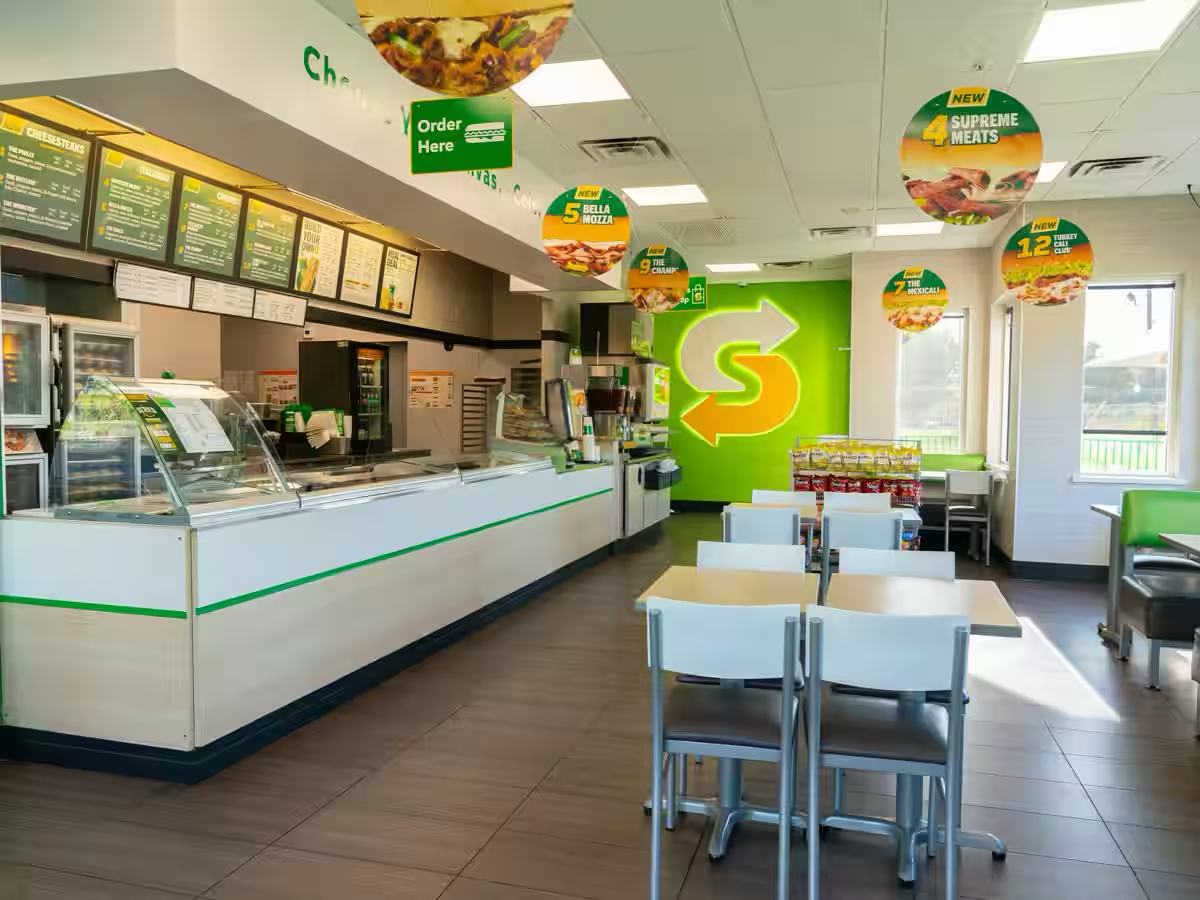
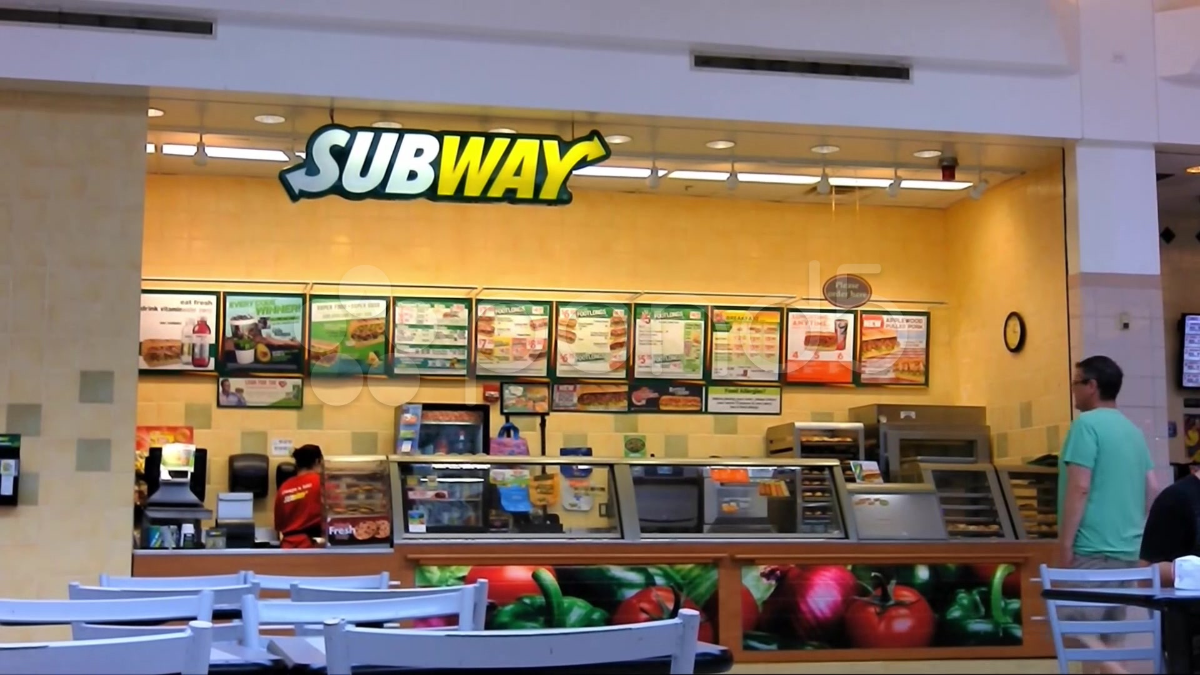
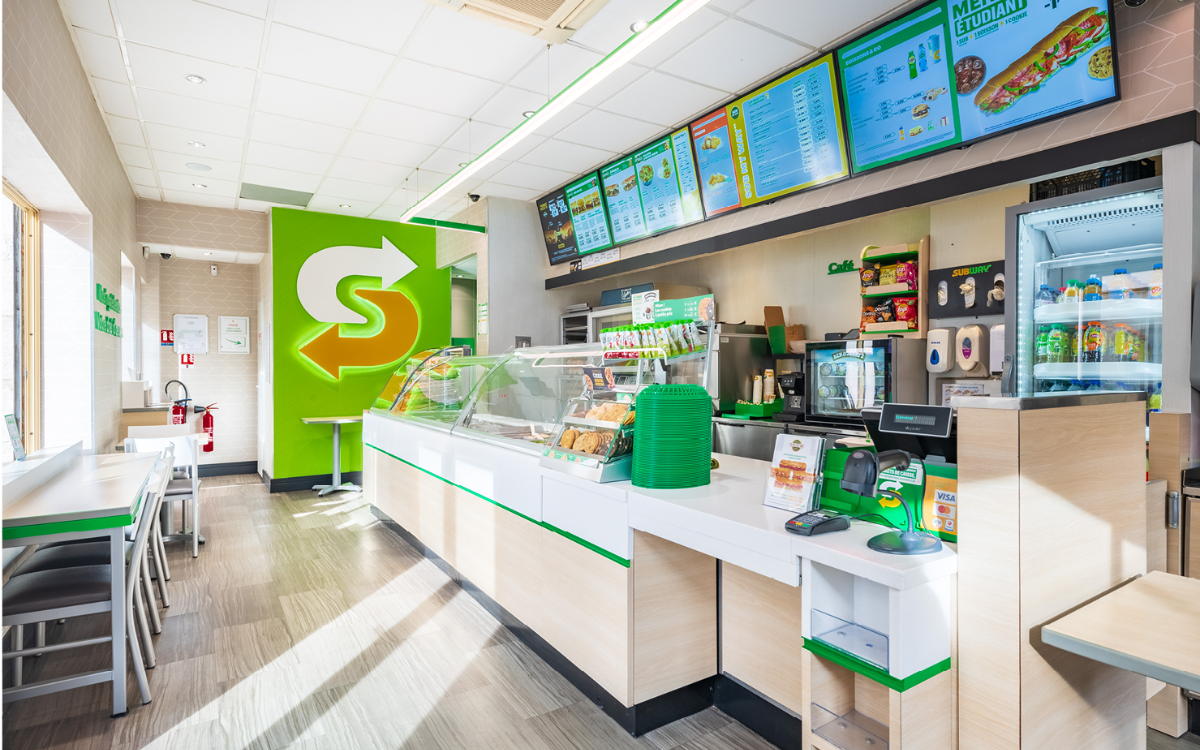
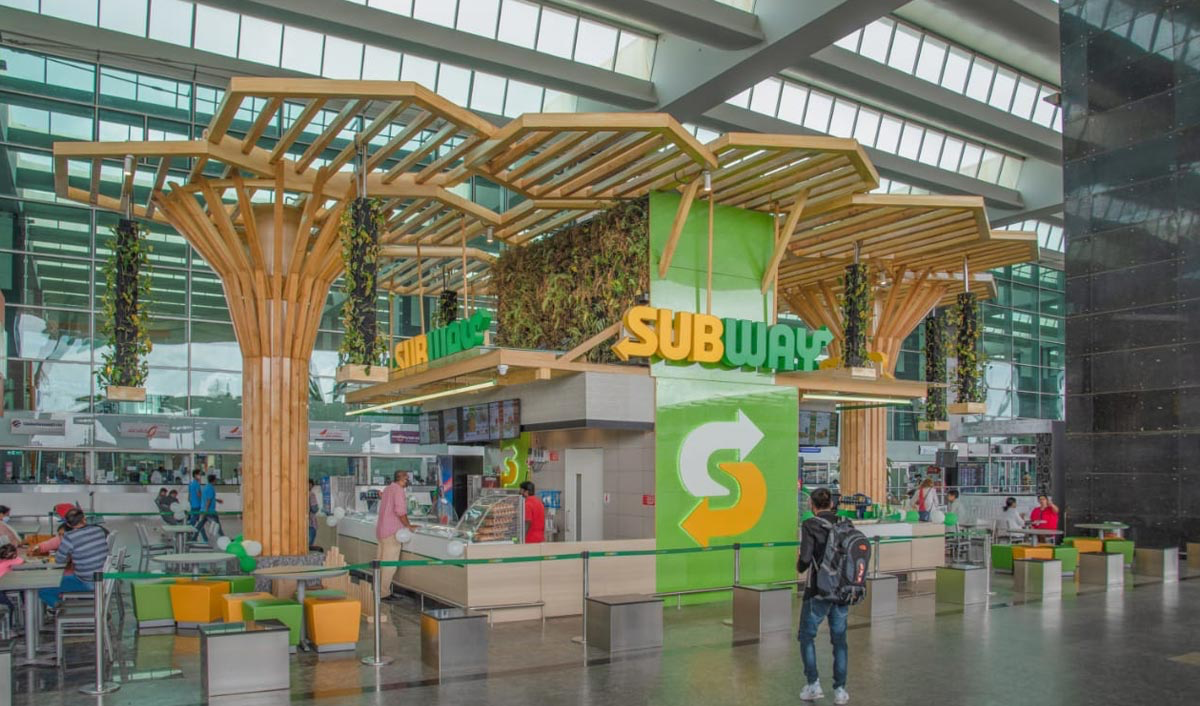
Subway offers 2 franchise formats in India: Food Court, Dine-in Restaurant. Each has different investment requirements and space needs. Compare all formats side-by-side on FRANticc at franticc.com.

Can I find a partner to invest in a Subway franchise together?

FRANticc's Partner Finder matches you with verified co-investors who share your brand interests and city preference. Split the investment and workload with a compatible partner. Create your partner profile at franticc.com/partner-setup.html.

Compare Subway with other franchise opportunities on FRANticc — India's Franchise Discovery Platform. FRANticc tracks 225+ franchise brands across 14 industries with source-verified investment data, multi-source corroboration scoring, and territory saturation mapping.

Premium tools available for Subway: Margin Intelligence with channel economics breakdown, Territory Saturation Checker (find the 5 nearest outlets to any location), Franchisee Connect (talk to existing Subway operators), Legal Vault (regulatory history, directors, compliance records), and dynamic pricing based on data quality score. Visit franticc.com/brands/subway.html for the full interactive prospectus.